Ceramic Protection & Sealants
A clear-headed explanation of protective liquid polymers, hydrophobic surfaces, and genuine durability.
What is a Ceramic Coating?
A ceramic coating is a liquid polymer typically containing Silicon Dioxide (SiO2). When applied manually to clean paint panels, it chemically bonds with the clear coat to form a micro-thin, hardened transparent barrier.
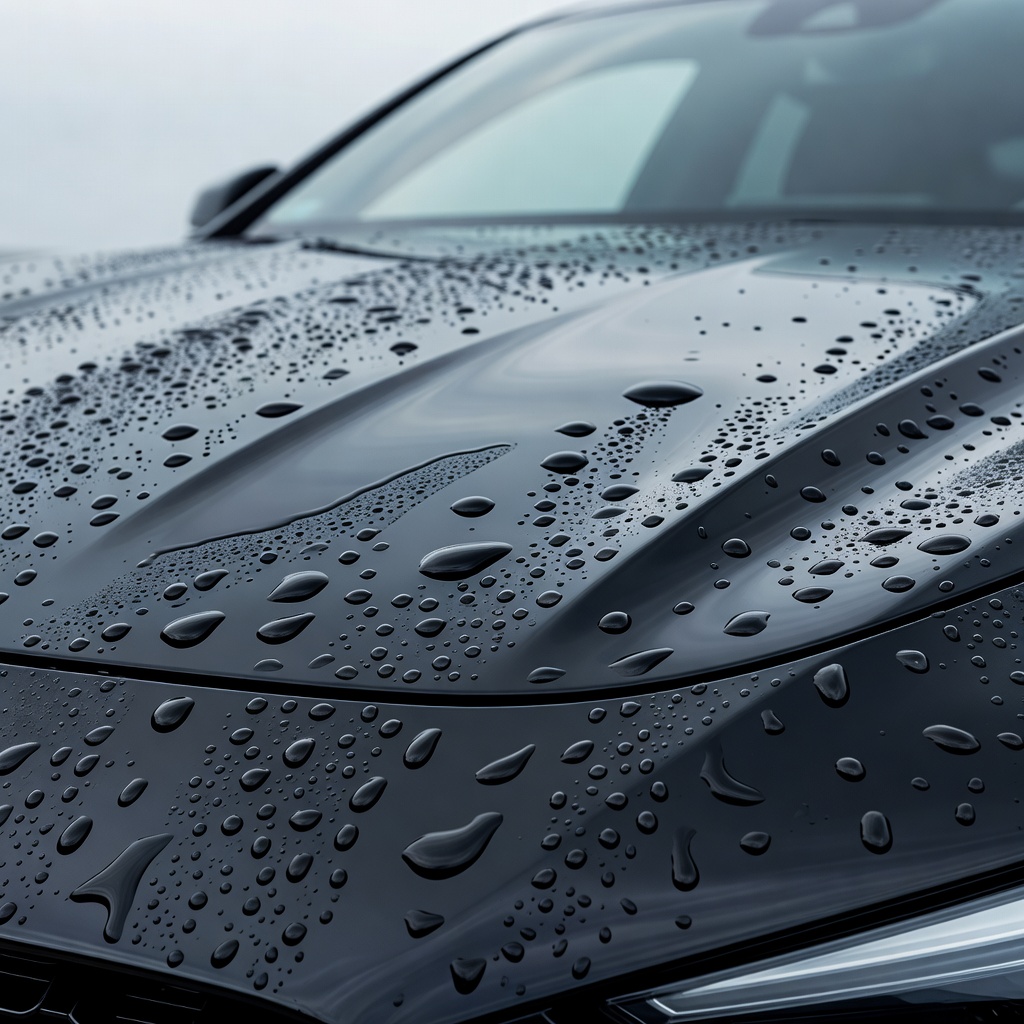
This barrier is highly hydrophobic (water-repelling). Instead of pooling on your panels, water beads tightly and runs off easily, taking light dirt particles with it. While it can help protect against UV rays, industrial fallout, and light bird dropping acid, it is important to separate fact from marketing fiction.
Understanding Ceramic Realities
⚠️ Common Marketing Myths
- "Permanently protects paintwork": No coating is truly permanent. Abrasion from road dirt, washing, and friction will eventually wear it down.
- "Makes paint totally scratch-proof": Standard ceramic coatings cannot prevent deep mechanical scratches, vandal keying, or flying road stone chips.
- "No need to wash your car again": While dirt rinses off far easier, a coated vehicle still requires regular, safe hand washes to prevent film buildup.
✔️ Practical Benefits
- Easier maintenance washing: Hydrophobic properties prevent mud and film from bonding aggressively to the panels.
- UV degradation resistance: Helps prevent clear coat clouding and color fading caused by sunny UV exposure.
- Chemical shielding: Offers a sacrifice barrier layer against corrosive bird droppings and industrial tree sap.
What Determines Coating Lifespan?
No two vehicles experience the same environmental wear. The actual lifespan of your ceramic sealant depends heavily on these variables:
1. Parking Environment
Cars stored in a garage will retain their coating performance significantly longer than those parked under trees or near railways.
2. Annual Mileage
High motorway mileage exposes the coating to constant micro-abrasions from sand, rain, and road dust.
3. Washing Routines
Using automated drive-through brush washes or aggressive high-pH chemicals will degrade the coating quickly.
4. Weather Conditions
Harsh British winters with heavy road salting put far more chemical stress on coatings than dry, mild seasons.