Safe Exterior Wash Process
Protecting vehicle surfaces from aggressive scratching and motorway traffic film build-up.
Why Avoid Automatic Car Washes?
Typical automatic roll-over car washes use highly aggressive plastic brushes spinning at rapid speeds. When combined with grit from previously washed vehicles, they act like coarse sandpaper on your clear coat. This results in standard 'swirl marks'—circular micro-scratches that scatter light and dull paint reflection over time.
At Krypspotlightfed, our exterior washing relies on contactless pre-rinses and hand-washing sequences designed to lift and trap grit before any mitt ever touches the car's body panels.
The Core Goal
Our goal is safe, practical dirt suspension. We do not use harsh acid solutions or highly caustic washes that can corrode modern alloy wheels, matte finishes, or delicate trim pieces.
Our Comprehensive Washing Workflow
Alloy & Arch Rinsing
Arches and wheels accumulate road salt, brake dust, and damp mud. We pre-rinse these zones first, clearing the worst road sludge before moving to upper body panels.
Contactless Snow Foam
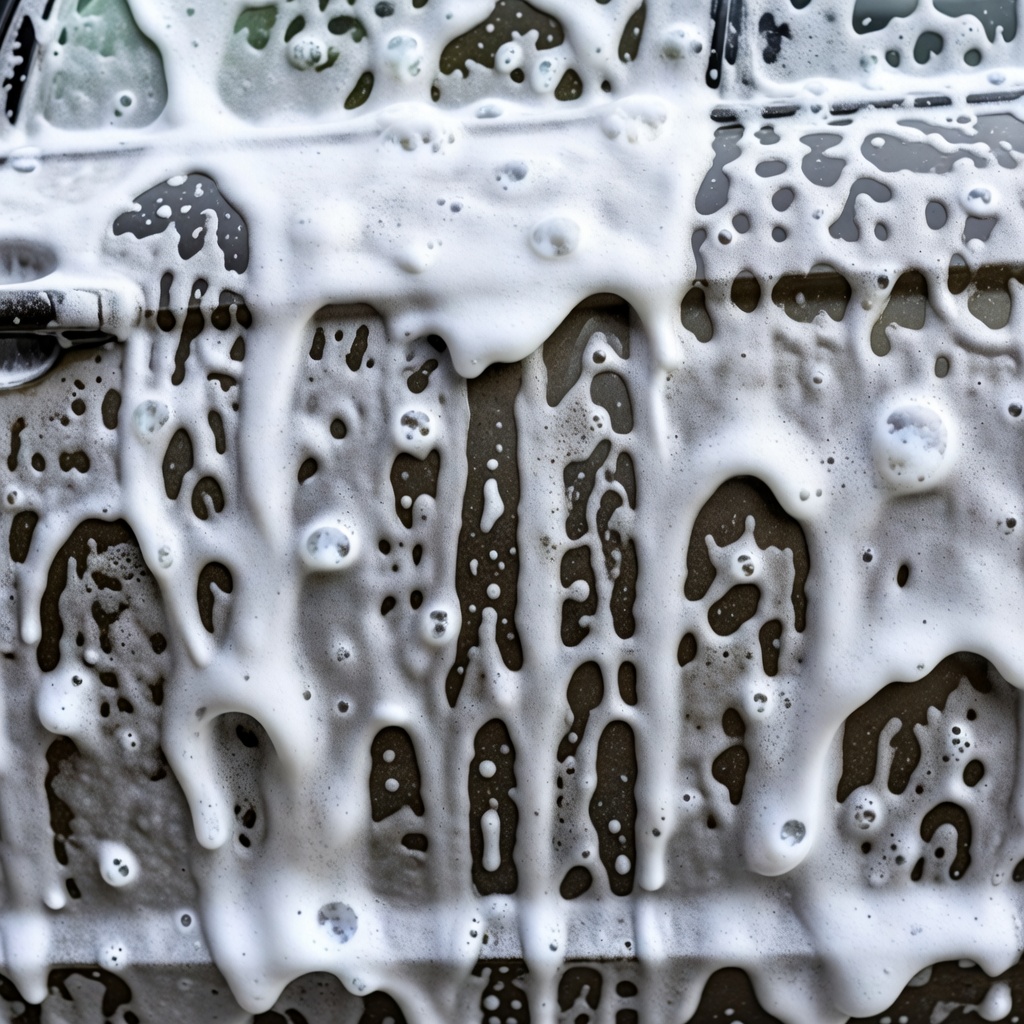
We cover the vehicle in a thick layer of pH-balanced snow foam. This dwells on the surface for several minutes, loosening motorway film and suspending grit away from the paint.
Two-Bucket Hand Wash
Using one bucket with clean water and shampoo, and a second bucket strictly for rinsing the microfibre wash mitt. Both buckets utilize grit guards to isolate sediment at the bottom.
Safe Panel Rinsing
A thorough rinse with clean, filtered water to remove any chemical surfactant residues, preparing the panels for drying.
Gentle Drying
We use ultra-soft microfibre drying towels combined with light warm air blowing for delicate panel crevices, preventing hard-water staining and water runs.
Door Shut Detailing
Often overlooked, door shuts, boot channels, and fuel filler flaps are wiped down to prevent trapped water from dripping down onto clean panels.
Home Maintenance Tips: Between Washes
If you prefer cleaning your vehicle at home in between visits to our workshop, we highly recommend following these guidelines to keep paint damage to an absolute minimum:
- Avoid domestic washing-up liquids: These contain degreasers that strip defensive wax and sealant barriers, leaving paint exposed.
- Never use old sponges: Flat yellow sponges trap grit between the sponge face and your paint, acting as a sanding block. Use microfibre mitts instead.
- Wash in the shade: Avoid direct British summer sunlight where possible; drying water droplets can leave hard, etched mineral rings on warm panels.